From ancient churches carved into living rock and mist-covered mountains to volcanic lakes, wildlife-rich forests and the ritual of freshly brewed coffee, Ethiopia offers Indian travellers a remarkable journey into Africa’s history, culture and natural beauty.

What if your next African holiday took you beyond the familiar safari? Imagine exploring medieval churches carved deep into mountains, walking through landscapes shaped by ancient volcanoes, spotting rare wildlife in high-altitude forests and ending the day over a traditional coffee ceremony.
Welcome to Ethiopia – the Land of Origins, a destination where some of humanity’s earliest stories meet living cultural traditions and spectacular natural landscapes. Its appeal stretches from imperial castles and ancient pilgrimage sites to mountain wilderness, serene lakes, emerging eco-tourism destinations and one of the world’s most distinctive coffee cultures.
With 12 tangible UNESCO World Heritage Sites and seven elements of intangible cultural heritage, Ethiopia offers a remarkable range of experiences for travellers seeking something beyond conventional holiday itineraries.
For Indian tourists, the country holds a special appeal: familiar connections through vegetarian cuisine, vibrant markets, strong traditions of hospitality and a deep respect for sacred places — alongside landscapes and cultural experiences that feel entirely new.
Addis Ababa: Where Africa Welcomes You
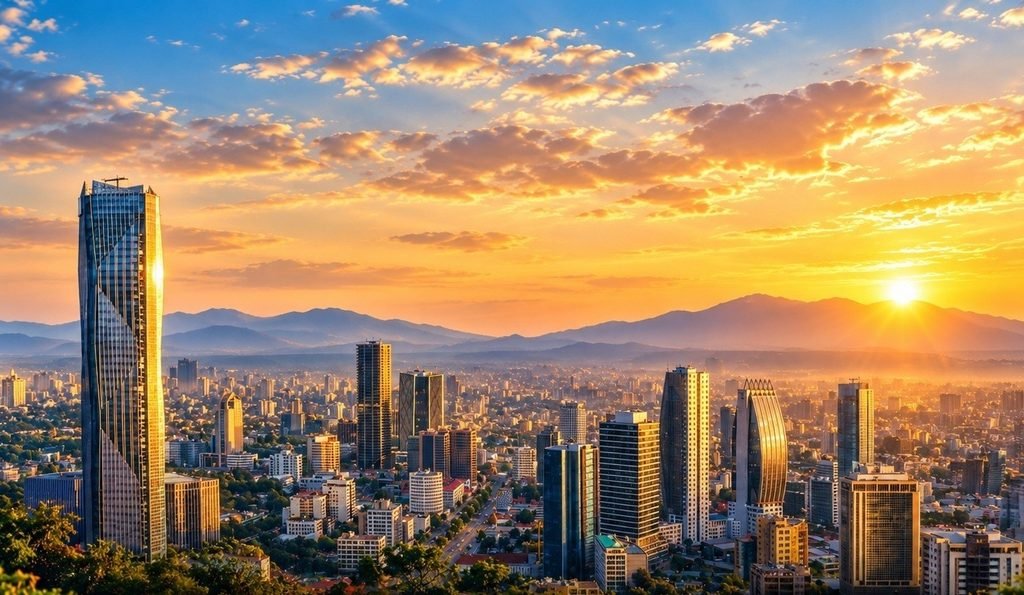
Every Ethiopian adventure can begin in Addis Ababa, a bustling capital that serves as a gateway to the country’s cultural, historical and natural attractions. Home to the African Union headquarters and the United Nations Economic Commission for Africa, the city is also an important centre of continental diplomacy. But Addis Ababa is far more than a political capital.
At the National Museum of Ethiopia, visitors can explore the story of human evolution, including the famous fossil remains of Lucy, an approximately 3.2-million-year-old early human ancestor discovered in 1974. The Ethnological Museum offers an introduction to the country’s diverse communities and traditions, while Holy Trinity Cathedral reveals an important dimension of Ethiopian Christian heritage.
For sweeping views over the city, head to Entoto Hill and Park. To experience everyday Ethiopian life, explore Mercato, the sprawling open-air marketplace alive with the sights, sounds and aromas of local commerce.
And then there is the city’s café culture. In Ethiopia, coffee is not simply something to drink on the go; it is an invitation to pause, converse and connect. A visit to Addis Ababa is incomplete without experiencing the warmth of this tradition.
A Culinary Surprise for Indian Travellers
One of Ethiopia’s most delightful surprises may be its food. For Indian travellers accustomed to lentils, legumes, vegetables and flavourful spices, traditional Ethiopian cuisine offers both familiarity and discovery.

At the centre of many meals is injera, a soft, fermented flatbread made primarily from teff, a grain native to the region. It serves as both a base for the meal and an edible accompaniment to an assortment of stews and vegetables. Try shiro, a rich chickpea or bean stew; misir wot, a spiced lentil preparation; kik alicha, a milder split-pea dish; and gomen, seasoned leafy greens. A mixed platter known as beyaynetu brings several dishes together, creating a colourful and satisfying meal.
Traditional fasting cuisine also offers numerous plant-based options, making Ethiopia particularly interesting for vegetarian and vegan travellers. Ingredients should nevertheless be checked, as recipes and preparation methods vary.

The real highlight, however, may be the traditional coffee ceremony. Beans are roasted, ground and brewed while guests gather to talk and share the moment. The experience reflects the Ethiopian belief that hospitality is best expressed through time, conversation and community.
For travellers who believe food offers one of the most authentic ways to understand a culture, Ethiopia promises memorable experiences well beyond the restaurant table.
Bale Mountains: Into the Wild Heart of Ethiopia

Approximately 400 kilometres southeast of Addis Ababa, Bale Mountains National Park offers a dramatically different vision of Africa.
Forget, for a moment, the familiar image of golden savannahs and open plains. Here, high-altitude grasslands, rugged peaks, the expansive Sanetti Plateau and the lush Harenna Forest create an extraordinary natural world. The park is renowned for its endangered Ethiopian wolf, the endemic Mountain Nyala and more than 300 bird species. Its varied ecosystems make it a rewarding destination for wildlife enthusiasts, birdwatchers, photographers and trekkers.
Visitors can explore mountain trails, enjoy scenic drives, observe birds and look for rare wildlife in its natural habitat. Horse riding is another option in selected areas.
For Indian travellers familiar with the Himalayas, Bale offers an intriguing contrast: a highland environment that combines mountain scenery with distinctly African biodiversity.
Its appeal extends beyond adventure. Bale is also an important conservation landscape, making it an excellent choice for travellers interested in responsible tourism and the protection of endangered species.
Wenchi Crater Lake: A Volcanic Paradise
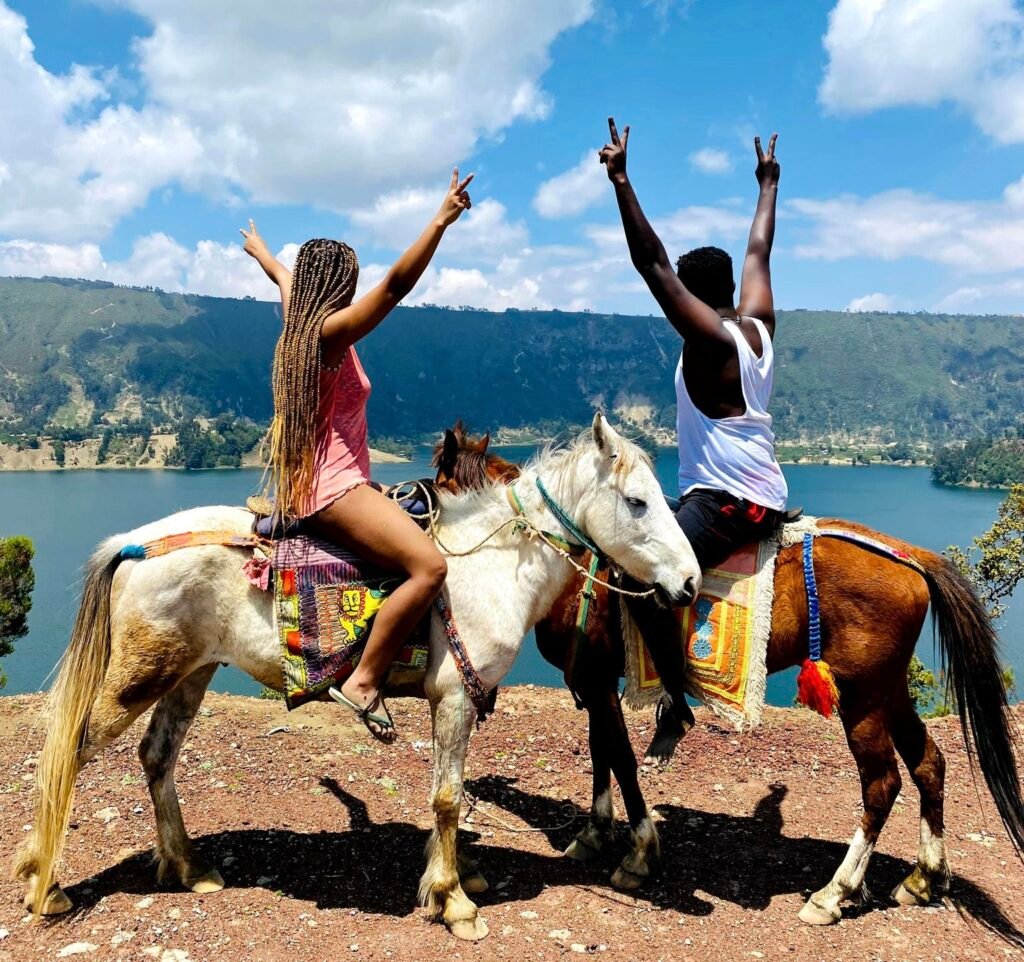
About 150 kilometres west of Addis Ababa, Wenchi Crater Lake offers an inviting escape into Ethiopia’s highlands. Set within a volcanic landscape, the lake is surrounded by green hills, cultivated countryside and peaceful rural settlements. Its setting makes it a refreshing contrast to the energy of the capital.
Visitors can enjoy boat trips, hiking and horse riding, while Cherkos Island Monastery adds a spiritual and cultural dimension to the experience. Nearby hot springs further enhance the area’s appeal.
Wenchi is ideal for travellers who prefer to slow down rather than rush from one landmark to another. Couples, small groups and nature lovers can enjoy its scenery at a relaxed pace, with opportunities for photography and outdoor exploration.
For Indian tourists accustomed to hill stations and lakeside retreats, Wenchi offers a familiar sense of tranquillity in a distinctly Ethiopian setting.
Denbi Eco Lodge: A Retreat into Ethiopia’s Green Landscapes
In southwestern Ethiopia, near Mizan Aman, Denbi Eco Lodge introduces visitors to a greener, less-explored side of the country. Surrounded by lush vegetation, lakeside scenery and coffee-growing landscapes, the lodge offers an opportunity to step away from busy cities and well-trodden tourist routes.
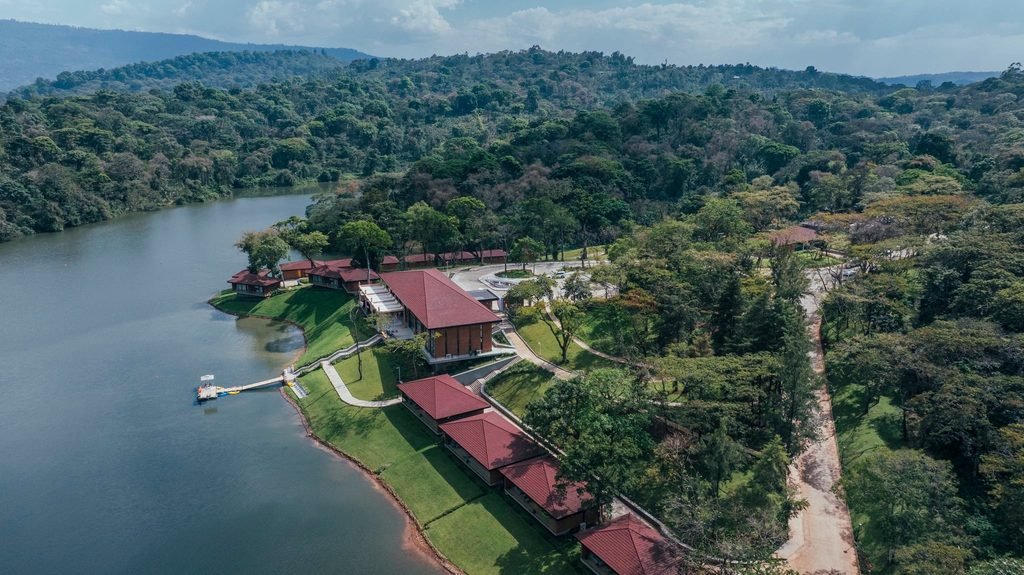
The region’s agricultural traditions and coffee-growing areas provide an added attraction. A stay can combine relaxation with an introduction to the landscapes and livelihoods that shape local life.
For travellers seeking an alternative to conventional city hotels, Denbi offers the possibility of a nature-focused retreat. It may be particularly appealing to those interested in community-based tourism, rural experiences and the relationship between local communities and their environment.
This is Ethiopia at a gentler pace — one best appreciated by allowing time to enjoy the surroundings rather than treating the destination as a quick stop.
Beynouna Village: Lakeside Leisure with an Ethiopian Twist
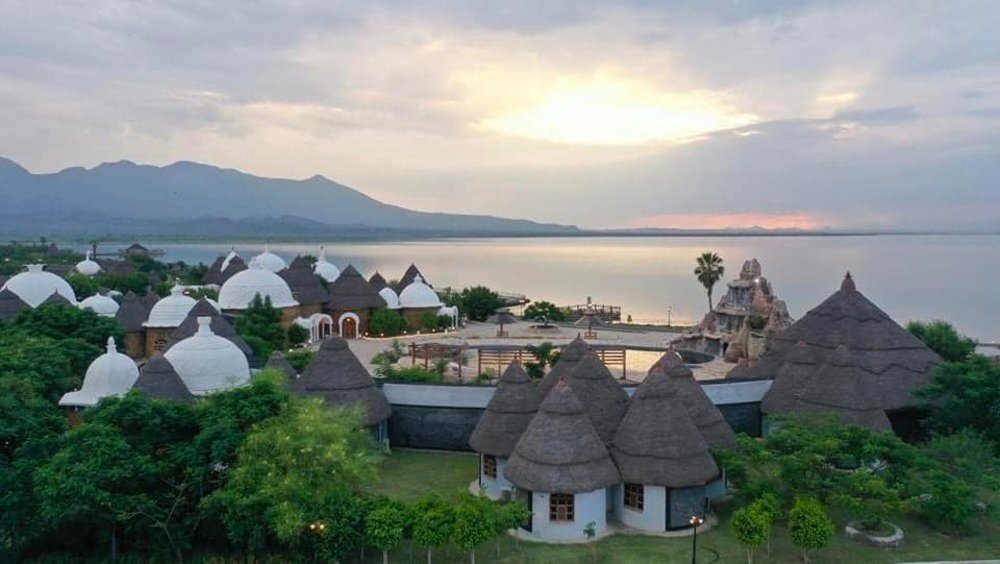
Near Metehara, approximately 200 kilometres east of Addis Ababa, Beynouna Village offers another unusual addition to an Ethiopian itinerary. Located on the shores of Lake Beseka, close to Awash National Park, this leisure destination brings together landscaped gardens, orchards, farmland and lakeside scenery. Its facilities include accommodation, recreational spaces, a lounge, cinema and spa facilities, offering visitors an opportunity to unwind after exploring the country’s historic and natural attractions.
What makes Beynouna interesting is the combination of hospitality and landscape. Rather than serving merely as a place to sleep, it provides a setting in which visitors can enjoy the countryside and experience a more leisurely side of Ethiopian tourism.
Chebera Churchura: A Different Kind of Wildlife Adventure
For those who associate an African holiday with wildlife, Chebera Churchura National Park offers an opportunity to explore a less familiar destination. Located in southwestern Ethiopia, the park is known for its natural landscapes and wildlife, including African elephants. Forests, rivers, lakes and waterfalls add to its appeal, creating a varied environment for nature enthusiasts.
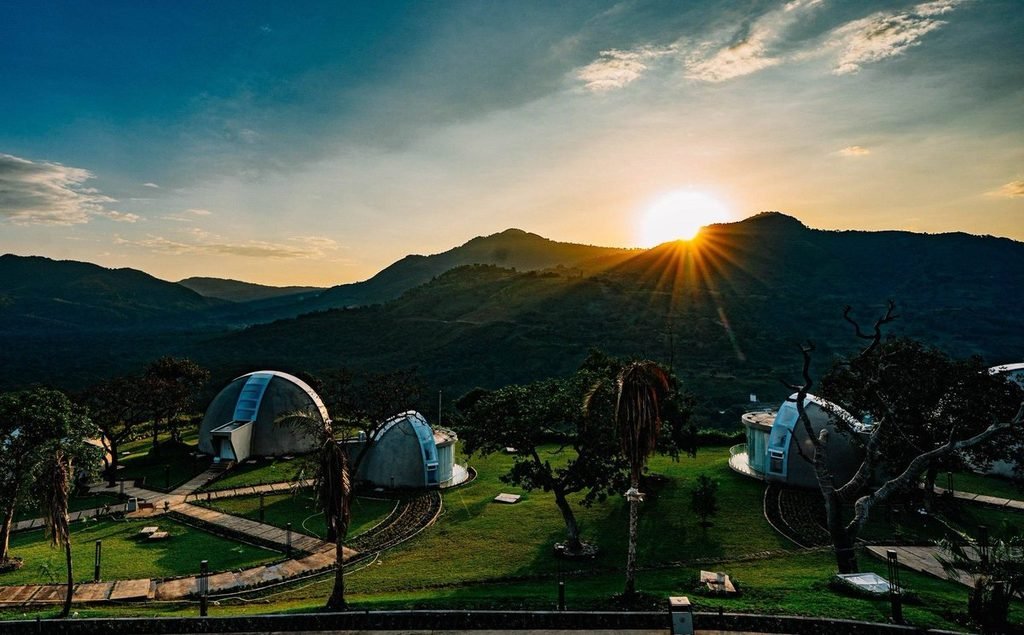
Chebera Churchura Elephant Paw Lodge, situated at the park’s entrance, provides a base for visitors seeking to discover the surrounding landscape. Its facilities include accommodation, dining spaces, swimming pools, wellness amenities and an observation deck.
For Indian wildlife enthusiasts, photographers and nature groups, Chebera Churchura offers an alternative to Africa’s more heavily promoted safari destinations.
The experience can also complement a wider Ethiopian itinerary, bringing together wildlife encounters and natural scenery with the country’s cultural and historical attractions.
Gorgora: Find Your Quiet Place on Lake Tana
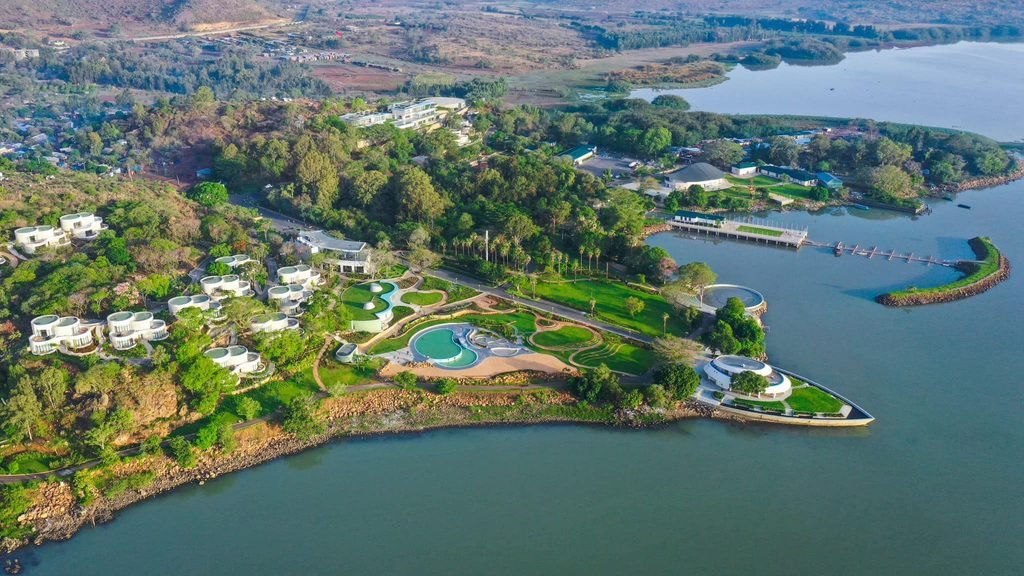
On the shores of Lake Tana, Ethiopia’s largest lake, Gorgora offers a change of pace for travellers seeking scenery, culture and relaxation. Situated in the Amhara Region, Gorgora is an appealing lakeside destination with opportunities for boating, birdwatching and trekking. The surrounding area is also associated with historic churches and monasteries, allowing visitors to combine nature with cultural exploration.
Gorgora Eco Resort provides a base for experiencing the lakeside landscape. Travellers flying from Addis Ababa can consider a domestic flight to Gondar, followed by a road journey of approximately 60 kilometres, subject to local transport arrangements.
Gorgora works particularly well as part of a northern Ethiopia itinerary that includes Gondar and other historic destinations. After exploring royal architecture and religious heritage, visitors can spend time by the water and enjoy a more leisurely side of the journey.
Lalibela: Churches Carved into the Living Rock
Few places capture Ethiopia’s spiritual identity as powerfully as Lalibela, often described as the Jerusalem of Africa.
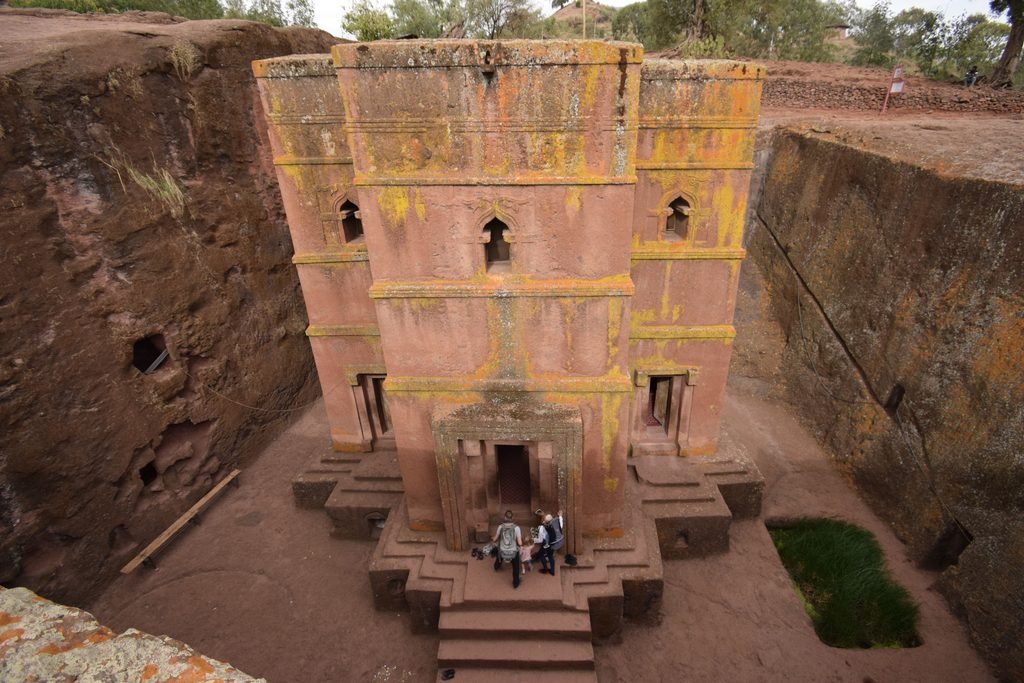
Recognised as a UNESCO World Heritage Site in 1978, Lalibela is famous for its extraordinary complex of medieval rock-hewn churches, carved directly into volcanic rock during the 12th and 13th centuries. The most recognisable is Bete Ghiorgis, or the Church of St. George, whose cross-shaped design has become one of Ethiopia’s defining architectural images.
Yet Lalibela is more than an architectural wonder. Its churches remain living places of worship and pilgrimage, where religious traditions connect contemporary communities with centuries of history.
For Indian travellers, the destination offers an opportunity to reflect on the relationship between faith, architecture and cultural identity. Although Ethiopia’s religious traditions differ from India’s, the significance of pilgrimage and sacred spaces provides a meaningful point of connection.
For history enthusiasts, architecture lovers and culturally curious travellers, Lalibela is an essential part of Ethiopia’s story.
Gondar: Castles, Kings and an Imperial Legacy
If Lalibela reveals Ethiopia’s spiritual heritage, Gondar offers a window into its imperial past. Once an imperial capital, Gondar became the seat of Emperor Fasilides in 1636. Its defining attraction is Fasil Ghebbi, a walled royal complex containing castles, palaces, churches and other historic structures.
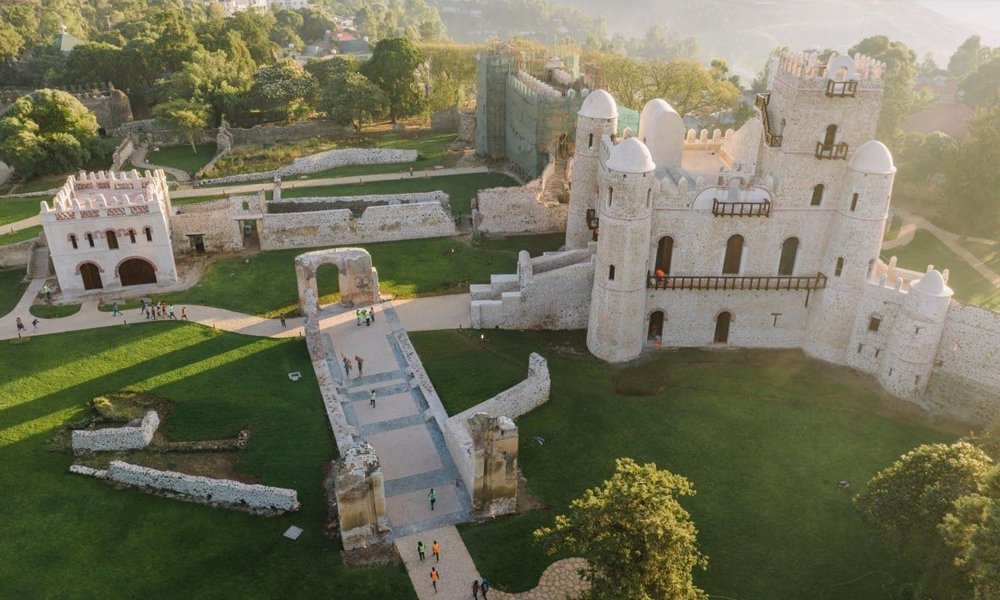
Recognised as a UNESCO World Heritage Site in 1979, the complex reflects the political power and architectural sophistication of Ethiopia’s historic kingdom. Its buildings reveal a distinctive architectural tradition shaped by Ethiopian heritage and wider cultural exchanges, including influences associated with Arab and Indian connections.
For Indian visitors familiar with forts, palaces and the histories of royal capitals, Gondar offers an opportunity to explore a different but equally fascinating architectural landscape.
Ethiopia and India: A Journey of Cultural Discovery
Ethiopia’s appeal for Indian travellers lies not only in its attractions but also in the possibilities for cultural discovery.
Both countries possess ancient civilisational histories, strong food traditions, diverse cultural communities and enduring connections between faith and everyday life. Their histories are distinct, but these shared themes offer natural starting points for meaningful encounters.
Ethiopia also provides Indian visitors with an opportunity to see Africa beyond familiar stereotypes. Its mountains, forests, historic cities, religious traditions and coffee culture reveal a continent of extraordinary geographical and cultural diversity.
For tourism planners, travel operators and culturally curious visitors, this creates opportunities to develop journeys that go beyond conventional sightseeing — connecting heritage, nature, gastronomy, conservation and local experiences.
The Ethiopia You Will Remember
Some destinations are remembered for their monuments. Others stay with us because of the landscapes, flavours and encounters that make a journey feel personal. Ethiopia offers all these possibilities. It invites visitors to contemplate humanity’s distant past, explore landscapes shaped by volcanoes and mountains, discover rare wildlife, walk through centuries-old places of worship and share coffee in a culture where hospitality is an experience in itself.
For Indian travellers looking for an African holiday with greater depth and diversity, Ethiopia deserves a place on the map. The real discovery is that there is no single way to experience this country. It can be a journey through ancient history, a mountain adventure, a wildlife escape, a culinary exploration or simply an opportunity to slow down beside a lake and experience a different rhythm of life.
Ethiopia is not just a destination to visit. It is a country to explore, taste, experience and remember.