Dive into a juicy whirlwind of taste, texture, and tropical magic as Sonal Pandey unlocks the secrets of African mangoes
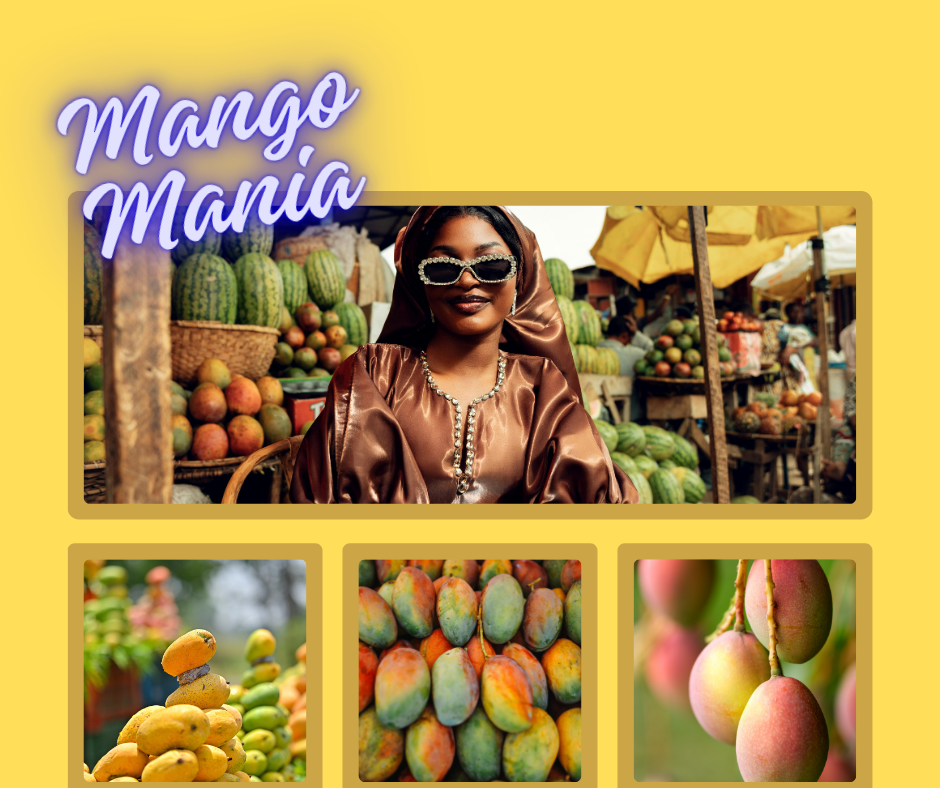
Who doesn’t love mangoes? We’re all, in one way or another, hopeless mango fans, drawn to their sunshine sweetness, their irresistible aroma, and the sheer joy of that first juicy bite. But just when you think you’ve tasted it all, mangoes have a way of surprising you.
Forget everything you thought you knew about mangoes. Beyond the familiar golden sweetness lies a lesser-known, wildly intriguing cousin growing deep in the lush rainforests of West and Central Africa. Meet the African mangoes, unassuming on the outside, but packed with surprises that make it one of the most fascinating fruits you’ve probably never tasted.
Take the Apple Mango, widely loved in Kenya for its crisp bite and sweet-tangy punch. Then there’s the Ngowe Mango, a crowd favourite with smooth, fibreless flesh and a perfectly balanced sweetness that can rival even the creamiest Alphonso. The Kent Mango, grown in several African regions, is another standout – large, juicy, and almost buttery, making it a global export favourite.
If you’re chasing bold flavour, the Keitt Mango delivers with its firm texture and subtly sweet profile, often enjoyed slightly underripe for a refreshing twist. The Tommy Atkins Mango, though less aromatic, is prized for its vibrant colour, long shelf life, and juicy flesh-making it a common sight in markets across Africa.
In West Africa, the mango experience becomes even more playful and diverse. Local varieties, often unnamed but deeply cherished, range from intensely sweet to delightfully sour. Street vendors slice them fresh, sprinkle a touch of salt or spice, and suddenly, it’s not just fruit. It’s an experience. Sticky fingers, dripping juice, and bursts of tropical flavour define every bite.
And just when you think the story is all about pulp, Africa surprises you again. Africa may contribute around 4% of global mango production, but its footprint in international markets is steadily growing. Countries like Egypt lead the continent, producing over 1.2 million tonnes annually, while Nigeria and Kenya follow closely, each producing between 700,000 to 900,000 tonnes of mangoes every year.
What’s even more fascinating is how export dynamics differ across the continent. In 2025, Africa emerged as a significant player in the global mango market, with Malawi leading as the top producer, yielding approximately 1.7 million tonnes. Nations such as Burkina Faso, Côte d’Ivoire, and Mali have emerged as export powerhouses—shipping hundreds of thousands of tonnes to Europe and beyond. Meanwhile, Kenya’s mango industry alone generates tens of millions of dollars annually, supporting thousands of small-scale farmers and rapidly expanding its global reach. Ghana also exported fruits worth over $59 million, signalling a steady rise in both production and international demand.
India, despite being world’s foremost mango supplier, has been importing Malawi mangoes since 2018. This unique mango variety, slightly distinct form our own Alphonso, have created a niche market for themselves. Malawi mangoes arrive in India during the winters season and thus remains in demand among mango lovers, when the domestic mango season is over.
What truly sets African mangoes apart is their authenticity. Often tree-ripened and locally sourced, they carry flavours that feel raw, real, and unapologetically vibrant, very different from the uniform sweetness we often associate with commercial varieties.
This summer, whether your heart belongs to the velvety indulgence of an Alphonso or the fragrant charm of a Dasheri, Africa’s mangoes invite you to step outside the familiar. A little tangier, a little wilder, and completely scrumptious, this is mango season, reimagined. And perhaps that’s the real magic of it all. Each bite tells a story of sun-soaked orchards, bustling local markets, and traditions passed down through generations. It’s not just about taste; it’s about discovery, about letting your palate wander beyond borders.
(Writer is a Researcher at the African Centre of India)